Reprinted from 'indefinite article' on Substack.
Our country and our culture are steeped in many decades of neo-liberalism. We’ve increasingly lost a sense of community, of looking out for other people, of celebrating a shared future. Wealth isn’t just a way to make life better, it’s an ambition in itself.

John Howard notoriously once commented that no-one ever complained about the value of their house increasing. That’s because the only people he knew or spoke to probably all owned houses – they weren’t struggling to find a place to rent and then to find the rent to pay for it.
Our country and our culture are steeped in many decades of neo-liberalism. We’ve increasingly lost a sense of community, of looking out for other people, of celebrating a shared future. Wealth isn’t just a way to make life better, it’s an ambition in itself.
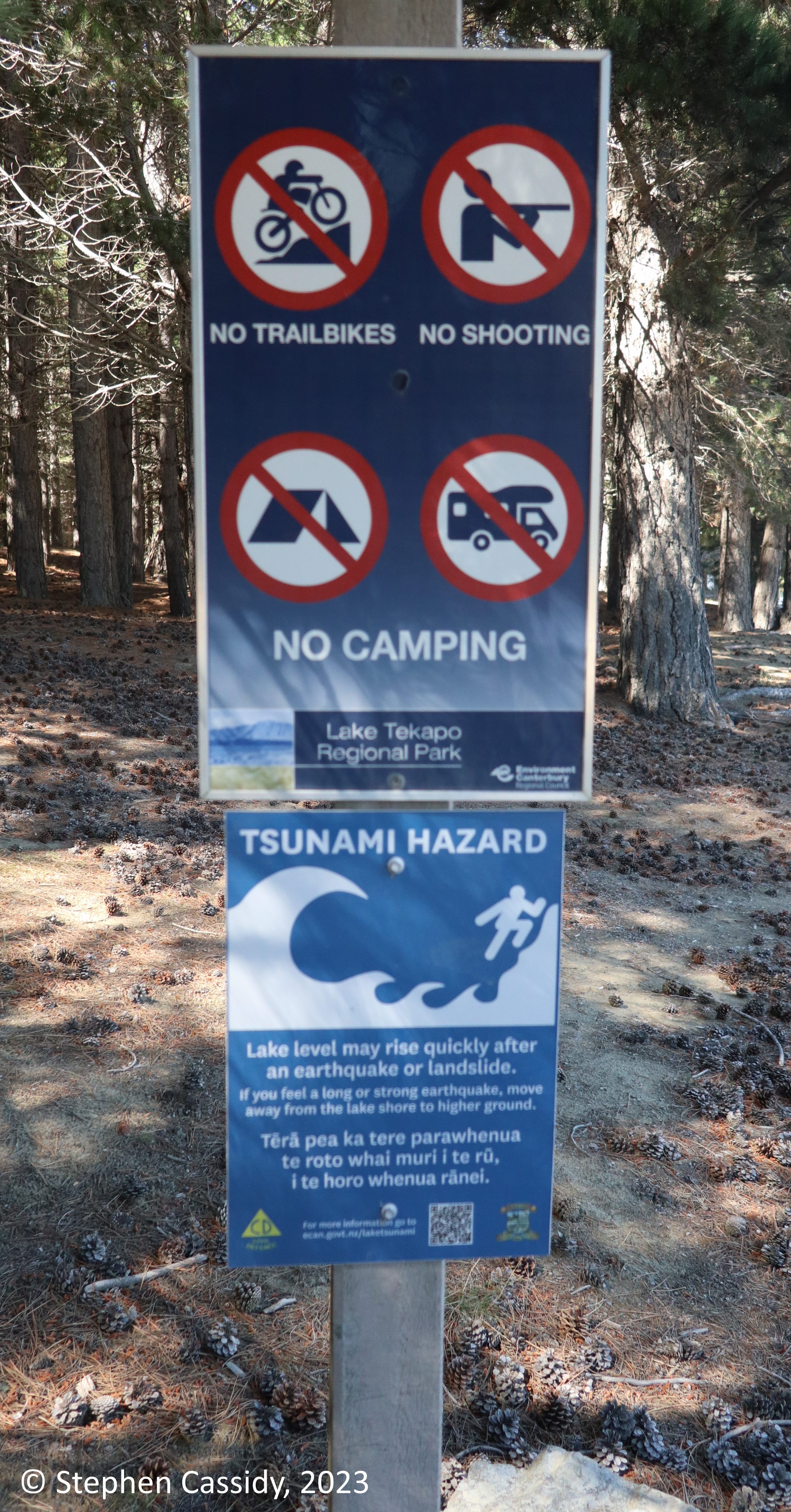
Navigating social media - the mass media of our times – can sometimes feel like traversing the wilderness with all its natural and unnatural perils.
John Howard notoriously once commented that no-one ever complained about the value of their house increasing. That’s because the only people he knew or spoke to probably all owned houses – they weren’t struggling to find a place to rent and then to find the rent to pay for it.
Narrow, stripped back, dumbed down
The whole AI scramble shows how much arts, culture and creativity are valued – but only if those making the big bucks can get it for free, and as a narrow, stripped back, dumbed down commodity to fuel their private wealth-making. Public and private expression, especially creative expression, is at the heart of this crisis.
The latest political zeitgeist reinforces the problem. It disrespects not just creative workers, but all workers. It vilifies the cultural diversity that makes Australia rich, both socially and economically, through the innovation it fosters. I grew up in Tasmania in the 50s – if it hadn’t been for migrants Tasmania (and Australia) would have been a basket case. Bouncing back from World War 2, our population grew and broadened, universities were established, science and learning prospered.
The whole AI scramble shows how much arts, culture and creativity are valued – but only if those making the big bucks can get it for free, and as a narrow, stripped back, dumbed down commodity to fuel their private wealth-making. Public and private expression, especially creative expression, is at the heart of this crisis.
‘The whole AI scramble shows how much arts, culture and creativity are valued – but only if those making the big bucks can get it for free, and as a narrow, stripped back, dumbed down commodity to fuel their private wealth-making.’
The latest political zeitgeist reinforces the problem. It disrespects not just creative workers, but all workers. It vilifies the cultural diversity that makes Australia rich, both socially and economically, through the innovation it fosters. I grew up in Tasmania in the 50s – if it hadn’t been for migrants Tasmania (and Australia) would have been a basket case. Bouncing back from World War 2, our population grew and broadened, universities were established, science and learning prospered.
Fuelled by buckets of cash
Over recent decades the plummet in recognition and support for our creativity and culture is not unique. It’s reflected in the public reinforcement of an old Australian shortcoming – disrespect for learning, knowledge and science – that has always been lurking there in the background. The result is the decline of our education system and public life. All of this is fuelled by buckets of cash – from the wealthy and powerful, both locally and overseas – who are trying to narrow our future choices and remake Australia in their interests.
Yet speaking out and communicating and connecting with others is crucial to our future. We have to take the tools we have and hammer them into a shape that works for us. It’s much harder when they are owned and controlled by a handful of tech billionaires, who see them as just another way to boost their wealth and power. Yet this is the world we find ourselves in and being able to speak despite the shouting of the entitled is essential.
Over recent decades the plummet in recognition and support for our creativity and culture is not unique. It’s reflected in the public reinforcement of an old Australian shortcoming – disrespect for learning, knowledge and science – that has always been lurking there in the background. The result is the decline of our education system and public life. All of this is fuelled by buckets of cash – from the wealthy and powerful, both locally and overseas – who are trying to narrow our future choices and remake Australia in their interests.
‘The plummet in recognition and support for our creativity and culture is not unique. It’s reflected in the public reinforcement of an old Australian shortcoming – disrespect for learning, knowledge and science – that has always been lurking there in the background.’
Yet speaking out and communicating and connecting with others is crucial to our future. We have to take the tools we have and hammer them into a shape that works for us. It’s much harder when they are owned and controlled by a handful of tech billionaires, who see them as just another way to boost their wealth and power. Yet this is the world we find ourselves in and being able to speak despite the shouting of the entitled is essential.
Breadth versus depth
Welcome to our contemporary perilous universe of commentary. Over the last year I have been trying to make sense of what is happening and rationalising my social media outlets by starting to publish material on Substack. Substack is designed for a different purpose to Google Blogger, where over the last 16 years I published almost 300 articles – with a few of them on earlier outlets for closer to 22 years.
Unlike Blogger, Substack is meant for regular engagement with a smaller group of readers. It’s designed for writers, so suits longer form pieces with more depth and subtlety. It’s the very opposite of what used to be Twitter and was then renamed to X in an adolescent wet dream of self abuse.
Yet, despite its strengths, Substack is privately-owned by American venture capital, so I suppose always has the risk of falling into the same pit as the rest of the social media nightmare.
In comparison to Substack, my public blogs on Blogger between them get at least 2–3,000 views per week and in some weeks far more. This still astounds me, but it seems to mean that lots of people see my articles. Just how many read them is hard to tell – clearly quite a few. Unlike Substack, while Blogger provides breadth, but not depth, like Substack it provides little engagement – quite a bit less with Blogger.
Welcome to our contemporary perilous universe of commentary. Over the last year I have been trying to make sense of what is happening and rationalising my social media outlets by starting to publish material on Substack. Substack is designed for a different purpose to Google Blogger, where over the last 16 years I published almost 300 articles – with a few of them on earlier outlets for closer to 22 years.
Unlike Blogger, Substack is meant for regular engagement with a smaller group of readers. It’s designed for writers, so suits longer form pieces with more depth and subtlety. It’s the very opposite of what used to be Twitter and was then renamed to X in an adolescent wet dream of self abuse.
Yet, despite its strengths, Substack is privately-owned by American venture capital, so I suppose always has the risk of falling into the same pit as the rest of the social media nightmare.
‘This still astounds me, but it seems to mean that lots of people see my articles. Just how many read them is hard to tell – clearly quite a few.’
In comparison to Substack, my public blogs on Blogger between them get at least 2–3,000 views per week and in some weeks far more. This still astounds me, but it seems to mean that lots of people see my articles. Just how many read them is hard to tell – clearly quite a few. Unlike Substack, while Blogger provides breadth, but not depth, like Substack it provides little engagement – quite a bit less with Blogger.
This is quite separate to and on a scale far different from my food reviews on Google Maps, where my 58 photos over the last three years have between them attracted over 1.13 million views – I still can't quite grasp that.
We have both kinds
I now publish to both outlets – Blogger and Substack – sometimes, but not often, posting the same articles on both, with some cross-referencing. My most recent travel article on the handwriting blog, which is about my trip to France in 2018, is part of a series of articles also called ‘travelling light’, in keeping with the theme I use across a couple of outlets.
I now have a public version of travelling light, a final, fifth blog to add to my suite of four blogs on Blogger. travelling light is different to all of the existing blogs – not serious articles about creativity and culture, not humorous snippets, not creative and travel writing and not articles about food and cooking.
It is a personal view of the light – and sometimes heavier – matters that come up in daily life and make me sit up and take notice, whether travelling or staying put. The closest to it was an older Facebook group I used to post to regularly when travelling, especially overseas. At the same time I’ll keep posting more news (with a more personal slant) so it’s more informative to a private version of travelling light on Substack, which is emailed directly only to a handful of interested people.
I now publish to both outlets – Blogger and Substack – sometimes, but not often, posting the same articles on both, with some cross-referencing. My most recent travel article on the handwriting blog, which is about my trip to France in 2018, is part of a series of articles also called ‘travelling light’, in keeping with the theme I use across a couple of outlets.
‘It is a personal view of the light – and sometimes heavier – matters that come up in daily life and make me sit up and take notice, whether travelling or staying put.’
I now have a public version of travelling light, a final, fifth blog to add to my suite of four blogs on Blogger. travelling light is different to all of the existing blogs – not serious articles about creativity and culture, not humorous snippets, not creative and travel writing and not articles about food and cooking.
It is a personal view of the light – and sometimes heavier – matters that come up in daily life and make me sit up and take notice, whether travelling or staying put. The closest to it was an older Facebook group I used to post to regularly when travelling, especially overseas. At the same time I’ll keep posting more news (with a more personal slant) so it’s more informative to a private version of travelling light on Substack, which is emailed directly only to a handful of interested people.
Irreverent writing about contemporary Australia
Travelling light on Blogger completes my set of public blogs. My main blog is indefinite article, echoing the indefinite article outlet on Substack, described as irreverent writing about contemporary Australian society, popular culture, the creative economy and the digital and online world – life in the trenches and on the beaches of the information age.
balloon is a collection of short humorous articles, thought balloons for our strange and unsettled times – brief quirky articles about the eccentricities of everyday life, almost always with a sense of short black humour. handwriting, homegrown graffiti from the digital world – writing, rhyming and digital animations – is creative writing, including a series of articles about travel. Lastly tableland is about food, produce and cooking, land to table – the daily routine of living in the high country, on the edge of the vast Pacific, just up from Sydney, just down from Mount Kosciuszko.
Travelling light on Blogger completes my set of public blogs. My main blog is indefinite article, echoing the indefinite article outlet on Substack, described as irreverent writing about contemporary Australian society, popular culture, the creative economy and the digital and online world – life in the trenches and on the beaches of the information age.
balloon is a collection of short humorous articles, thought balloons for our strange and unsettled times – brief quirky articles about the eccentricities of everyday life, almost always with a sense of short black humour. handwriting, homegrown graffiti from the digital world – writing, rhyming and digital animations – is creative writing, including a series of articles about travel. Lastly tableland is about food, produce and cooking, land to table – the daily routine of living in the high country, on the edge of the vast Pacific, just up from Sydney, just down from Mount Kosciuszko.
Wading in murky waters
As we wade forward into the murky waters of Australia’s future, hopefully social media will turn out to be a source of light and connection, not merely a poisonous snake pit of entitlement and grievance. We’ve had enough of half empty rather than half full – probably more like almost empty, if I think about it.
It’s like a car on a long interstate road trip, desperately looking out for petrol stations – or chargers. Australians can’t abide a whinger and even though there are some good reasons for it, we are certainly turning into an ocean of them.
As we wade forward into the murky waters of Australia’s future, hopefully social media will turn out to be a source of light and connection, not merely a poisonous snake pit of entitlement and grievance. We’ve had enough of half empty rather than half full – probably more like almost empty, if I think about it.
It’s like a car on a long interstate road trip, desperately looking out for petrol stations – or chargers. Australians can’t abide a whinger and even though there are some good reasons for it, we are certainly turning into an ocean of them.
© Stephen Cassidy 2026
See also
Open mic in a chilly city
‘Canberra might be the national capital, with the numerous major national cultural institutions this entails, but as befits a medium-sized university city, it has a lively local cultural scene as well. Amongst that heady mix is Smiths Alternative, a venue, ostensibly a bookshop and bar, that puts on everything under the sun - from bands to burlesque, from craft to poetry. As a result I found myself there on a chilly winter night for the open mic poetry reading. In parallel with a long career in the arts and culture sector over many decades, I have also produced a substantial creative writing output throughout my life. This has ranged across articles, short stories, installations, songs, websites and digital media, but my all-time favourite is poetry’, Open mic in a chilly city.
Creativity at work – economic engine for our cities
‘It is becoming abundantly clear that in our contemporary world two critical things will help shape the way we make a living – and our economy overall. The first is the central role of cities in generating wealth. The second is the knowledge economy of the future and, more particularly, the creative industries that sit at its heart. In Sydney, Australia’s largest city, both of these come together in a scattering of evolving creative clusters – concentrations of creative individuals and small businesses, clumped together in geographic proximity. This development is part of a national and world-wide trend which has profound implications’, Creativity at work – economic engine for our cities.
The immense potential of creative industries for regional revival
‘Across Australia, local communities facing major economic and social challenges have become interested in the joint potential of regional arts and local creative industries to contribute to or often lead regional revival. This has paralleled the increasing importance of our major cities as economic hubs and centres of innovation’, The immense potential of creative industries for regional revival.
My nephew just got a job with Weta – the long road of the interconnected world
‘My nephew just got a job in Wellington New Zealand with Weta Digital, which makes the digital effects for Peter Jackson’s epics. Expertise, specialist skills and industry pockets can occur just about anywhere, as long as you have connectivity, talent and a framework of support that makes it possible. This is part of the new knowledge economy of the future, with its core of creative industries and its links to our cultural landscape. Increasingly the industries of the future are both clever and clean. At their heart are the developing creative industries which are based on the power of creativity and are a critical part of Australia’s future – innovative, in most cases centred on small business and closely linked to the profile of Australia as a clever country, both domestically and internationally. This is transforming the political landscape of Australia, challenging old political franchises and upping the stakes in the offerings department’, My nephew just got a job with Weta – the long road of the interconnected world.
Applied creativity
‘I have been dealing with the issue of creativity for as long as I can remember. Recently, I have had to deal with a new concept—innovation. All too often, creativity is confused with innovation. A number of writers about innovation have made the point that innovation and creativity are different. In their view, innovation involves taking a creative idea and commercialising it. If we look more broadly, we see that innovation may not necessarily involve only commercialising ideas. Instead the core feature is application—innovation is applied creativity. Even ideas that may seem very radical can slip into the wider culture in unexpected ways’, Applied creativity.
Creative industries – applied arts and sciences
‘The nineteenth century fascination with applied arts and sciences — the economic application of nature, arts and sciences — and the intersection of these diverse areas and their role in technological innovation are as relevant today for our creative industries. From the Garden Palace, home of Australia’s first international exhibition in 1879, to the Economic Gardens in Adelaide’s Botanic Gardens these collections and exhibitions lay the basis for modern Australian industry. The vast Garden Palace building in the Sydney Botanic Gardens was the Australian version of the great Victorian-era industrial expositions, where, in huge palaces of glass, steel and timber, industry, invention, science, the arts and nature all intersected and overlapped. Despite burning to the ground, it went on to become the inspiration for what eventually became the Museum of Applied Arts and Sciences — the Powerhouse Museum’, Creative Industries.
See also
‘Canberra might be the national capital, with the numerous major national cultural institutions this entails, but as befits a medium-sized university city, it has a lively local cultural scene as well. Amongst that heady mix is Smiths Alternative, a venue, ostensibly a bookshop and bar, that puts on everything under the sun - from bands to burlesque, from craft to poetry. As a result I found myself there on a chilly winter night for the open mic poetry reading. In parallel with a long career in the arts and culture sector over many decades, I have also produced a substantial creative writing output throughout my life. This has ranged across articles, short stories, installations, songs, websites and digital media, but my all-time favourite is poetry’, Open mic in a chilly city.
Walking with ghosts
‘Increasingly people I have known for a long time seem to be dying. In fact my generation is steadily starting to disappear. Who is replacing them? We shuffle along in a world that is unravelling – a world that for both good and bad – our generation gave birth to. We are teetering in a strange balance between building on the achievements of the past and desperately trying to dismantle them. In many countries, the current generation is poorer than the previous one, upending generations of dreams by working class parents and migrants for a better life for their children. In this time of upheaval – both welcome and unwelcome – creativity is needed like never before’, Walking with ghosts.
‘Increasingly people I have known for a long time seem to be dying. In fact my generation is steadily starting to disappear. Who is replacing them? We shuffle along in a world that is unravelling – a world that for both good and bad – our generation gave birth to. We are teetering in a strange balance between building on the achievements of the past and desperately trying to dismantle them. In many countries, the current generation is poorer than the previous one, upending generations of dreams by working class parents and migrants for a better life for their children. In this time of upheaval – both welcome and unwelcome – creativity is needed like never before’, Walking with ghosts.
A matter of life and death, or more important than that – discovering the beauty of ‘chicklit’
'I’ve always been a big reader. I still remember growing up reading avidly at night after lights out, using a torch under the bed clothes. I was pleased to hear it’s a practice that still continues, despite the overwhelming takeover by the digital universe. In a similar vein I was once driving along a busy city street and noticed a young high school student walking over at the crossing. As she walked, she was doing something with her hands. I thought she was texting with her smartphone, but realised that as she walked, she was knitting. Some interests and skills never die', A matter of life and death, or more important than that – discovering the beauty of ‘chicklit’.
The Asian Century was underway long before the British arrived
‘We are all used to being astounded as we see growing evidence of how widespread contact and trade was across the breadth of the ancient European world and with worlds far beyond. The Romans and the Vikings and many after them all roamed far and wide. This is the stuff of a hundred television documentaries that show just how interconnected the ancient world was. Connection, not isolation, has always been the norm. Seaways were bridges, not barriers – a way to bring people together, not divide them. Now important archaeological work confirms just how widespread that cross-cultural, international network was across the whole of Northern Australia, long before the British arrived’, The Asian Century was underway long before the British arrived.
Dawn service – revisiting a long and personal story
‘Waking before dawn on ANZAC Day I suddenly thought I’d take part in my own one-person Dawn Service by thinking quietly about those in my own extended family who had been to war. That’s my five uncles all of whom fought in World War 2 – and survived – with a sense of humour and a string of medals. It’s also my family-in-law – my father-in-law and mother-in-law who were both conscripted into the German Army. My father-in-law once said to me ‘I’d had enough of armies’. My under-age father tried in vain to join up to be with the brothers he adored, but his father refused to sign the necessary papers – luckily, otherwise I might not be here, part of a later generation, remembering them all with great sadness’, Dawn service – revisiting a long and personal story.
The Magna Carta – still a work in progress
‘You don’t have to be part of ‘Indigenous affairs’ in Australia to find yourself involved. You can’t even begin to think of being part of support for Australian arts and culture without encountering and interacting with Indigenous culture and the Aboriginal and Torres Strait Islander communities and individuals who make it and live it.’ The Magna Carta – still a work in progress.
'I’ve always been a big reader. I still remember growing up reading avidly at night after lights out, using a torch under the bed clothes. I was pleased to hear it’s a practice that still continues, despite the overwhelming takeover by the digital universe. In a similar vein I was once driving along a busy city street and noticed a young high school student walking over at the crossing. As she walked, she was doing something with her hands. I thought she was texting with her smartphone, but realised that as she walked, she was knitting. Some interests and skills never die', A matter of life and death, or more important than that – discovering the beauty of ‘chicklit’.
The hidden universe of Australia's own languages
‘I’ve travelled around much of Australia, by foot, by plane, by train and by bus, but mostly by car. As I travelled across all those kilometres and many decades, I never realised that, without ever knowing, I would be silently crossing from one country into another, while underneath the surface of the landscape flashing past, languages were changing like the colour and shape of the grasses or the trees. The parallel universe of Indigenous languages is unfortunately an unexpected world little-known to most Australians.’ The hidden universe of Australia's own languages.
When one door closes, a window opens – moving on from another failed referendum
‘Looking forward from the failed referendum on The Voice to Parliament, everyone seems to be talking about how to find some positives after the result. It’s definitely time for a lot of thinking and rethinking. As I digest the result, I’m thinking about what it all means. There's quite a bit to say and it’s definitely time for thoughtful length rather than the slogans and catch phrases we’ve endured over the last few months. Despite the setback, lots of change is still happening. From my personal experience working alongside the community languages activists for some 15 years as they laboured to revive and maintain their First Nations languages there are many specific examples of positive changes. I can't see a failed referendum stopping their work. Their positive and practical spirit had a deep impact on me. These were people building an Australia for the future, drawing on the best parts of the past and overcoming the worst. They were some of the most impressive people I have ever met. I still remain close to many of them and I will remember them to my dying day’, When one door closes, a window opens – moving on from another failed referendum.
‘Looking forward from the failed referendum on The Voice to Parliament, everyone seems to be talking about how to find some positives after the result. It’s definitely time for a lot of thinking and rethinking. As I digest the result, I’m thinking about what it all means. There's quite a bit to say and it’s definitely time for thoughtful length rather than the slogans and catch phrases we’ve endured over the last few months. Despite the setback, lots of change is still happening. From my personal experience working alongside the community languages activists for some 15 years as they laboured to revive and maintain their First Nations languages there are many specific examples of positive changes. I can't see a failed referendum stopping their work. Their positive and practical spirit had a deep impact on me. These were people building an Australia for the future, drawing on the best parts of the past and overcoming the worst. They were some of the most impressive people I have ever met. I still remain close to many of them and I will remember them to my dying day’, When one door closes, a window opens – moving on from another failed referendum.
The Asian Century was underway long before the British arrived
‘We are all used to being astounded as we see growing evidence of how widespread contact and trade was across the breadth of the ancient European world and with worlds far beyond. The Romans and the Vikings and many after them all roamed far and wide. This is the stuff of a hundred television documentaries that show just how interconnected the ancient world was. Connection, not isolation, has always been the norm. Seaways were bridges, not barriers – a way to bring people together, not divide them. Now important archaeological work confirms just how widespread that cross-cultural, international network was across the whole of Northern Australia, long before the British arrived’, The Asian Century was underway long before the British arrived.
Saving the farm – recognising Indigenous languages part of salvaging community
‘The end of the year – after a bumper 24 months of disasters – is a time of closure. Many things have changed and many more will change – hopefully mainly for the better. In particular people who have made major contributions to Australia creativity and culture are moving on from their roles to take up new interests or interests they have been too busy to pursue. This is particularly the case in the arena of First Nations languages, where the recognition amongst Australians generally of the importance of languages and culture is part and parcel of salvaging community – for everyone’, Saving the farm – recognising Indigenous languages part of salvaging community.
‘The end of the year – after a bumper 24 months of disasters – is a time of closure. Many things have changed and many more will change – hopefully mainly for the better. In particular people who have made major contributions to Australia creativity and culture are moving on from their roles to take up new interests or interests they have been too busy to pursue. This is particularly the case in the arena of First Nations languages, where the recognition amongst Australians generally of the importance of languages and culture is part and parcel of salvaging community – for everyone’, Saving the farm – recognising Indigenous languages part of salvaging community.
Childless and orphaned behind enemy lines
‘Life is made up of some big moments – birth, coming of age, getting an education, learning to dance, travelling to the other side of the world, playing music, speaking other languages, having children – even the death of loved ones, just so we know it’s not all fun. I sometimes realise that I am a childless orphan, stuck behind what could be enemy lines, in a world that is unravelling – a world that our generation gave birth to. We are teetering in a strange balance between building on the achievements of the past and desperately trying to dismantle them. In this time of upheaval – both good and bad – creativity is needed like never before. Underpinning our world, creativity and culture are the glue that holds everything together and the engine that drives it’, Childless and orphaned behind enemy lines.
Based on a true story
‘The whole idea that something is ‘based on a true story’, raises questions about fiction and lies, reality and truth and the whole relationship between creative interpretation and everyday life. While things are usually exactly what they seem – which is why conspiracy theories, while satisfying, are usually wrong – sometimes things are definitely not what they seem. Having worked in Government for quite a few years I often think that what might look like a malignant conspiracy, is more likely to be incompetence. Government can make big things happen, but usually doesn’t. It might be nice to think that Government could plan grand strategies, but often maybe it’s just bumbling along. Despite this, the answer to the question of whether something is based on a true story, is that everything is based on a true story,’ Based on a true story.
‘The whole idea that something is ‘based on a true story’, raises questions about fiction and lies, reality and truth and the whole relationship between creative interpretation and everyday life. While things are usually exactly what they seem – which is why conspiracy theories, while satisfying, are usually wrong – sometimes things are definitely not what they seem. Having worked in Government for quite a few years I often think that what might look like a malignant conspiracy, is more likely to be incompetence. Government can make big things happen, but usually doesn’t. It might be nice to think that Government could plan grand strategies, but often maybe it’s just bumbling along. Despite this, the answer to the question of whether something is based on a true story, is that everything is based on a true story,’ Based on a true story.
Dawn service – revisiting a long and personal story
‘Waking before dawn on ANZAC Day I suddenly thought I’d take part in my own one-person Dawn Service by thinking quietly about those in my own extended family who had been to war. That’s my five uncles all of whom fought in World War 2 – and survived – with a sense of humour and a string of medals. It’s also my family-in-law – my father-in-law and mother-in-law who were both conscripted into the German Army. My father-in-law once said to me ‘I’d had enough of armies’. My under-age father tried in vain to join up to be with the brothers he adored, but his father refused to sign the necessary papers – luckily, otherwise I might not be here, part of a later generation, remembering them all with great sadness’, Dawn service – revisiting a long and personal story.
Returning to reading – finding the best of all possible worlds
‘It’s a strange time we live in – but then, has any time not been a strange time. I often think that there is no way on Earth that I would ever want to live in an earlier era, before medicine was so developed, when the average life expectancy was in the mid thirties, when life for most people was a short spell of drudgery punctuated by poverty and fear. I’m making the most of it. Lately I’ve started to balance my fascination with the easy-earned opinion of the online universe with a return to reading writing, as distinct from glancing at jotting’, Returning to reading – finding the best of all possible worlds.
The Magna Carta – still a work in progress
‘You don’t have to be part of ‘Indigenous affairs’ in Australia to find yourself involved. You can’t even begin to think of being part of support for Australian arts and culture without encountering and interacting with Indigenous culture and the Aboriginal and Torres Strait Islander communities and individuals who make it and live it.’ The Magna Carta – still a work in progress.
Where Australian culture comes from – many of the best bits come from migration
‘It’s easy to forget where the vibrant, sprawling, complex and diverse culture that represents and fuels modern Australia comes from. Starting with the incredibly rich mix of First Nations cultures and languages springing from every part of this country, topped up with migrants from all over the world, starting with England, Ireland, Wales, Scotland and China (and some Italians and probably others, witness the Eureka Stockade), and then further enriched by all the subsequent layers of migration. We are (almost) all immigrants here, only just starting to genuinely come to grips with this country’, Where Australian culture comes from – many of the best bits come from migration.
Flight of the wild geese – Australia’s place in the world of global talent
‘As the global pandemic has unfolded, I have been struck by how out of touch a large number of Australians are with Australia’s place in the world. Before the pandemic many Australians had become used to travelling overseas regularly – and spending large amounts of money while there – but we seem to think that our interaction with the global world is all about discretionary leisure travel. In contrast, increasingly many Australians were travelling – and living – overseas because their jobs required it. Whether working for multinational companies that have branches in Australia or Australian companies trying to break into global markets, Australian talent often needs to be somewhere else than here to make the most of opportunities for Australia. Not only technology, but even more importantly, talent, will be crucial to the economy of the future’, Flight of the wild geese – Australia’s place in the world of global talent.
‘As the global pandemic has unfolded, I have been struck by how out of touch a large number of Australians are with Australia’s place in the world. Before the pandemic many Australians had become used to travelling overseas regularly – and spending large amounts of money while there – but we seem to think that our interaction with the global world is all about discretionary leisure travel. In contrast, increasingly many Australians were travelling – and living – overseas because their jobs required it. Whether working for multinational companies that have branches in Australia or Australian companies trying to break into global markets, Australian talent often needs to be somewhere else than here to make the most of opportunities for Australia. Not only technology, but even more importantly, talent, will be crucial to the economy of the future’, Flight of the wild geese – Australia’s place in the world of global talent.
Crossing boundaries – the unlimited landscape of creativity
‘When I was visiting Paris last year, there was one thing I wanted to do before I returned home – visit the renowned French bakery that had trained a Melbourne woman who had abandoned the high stakes of Formula One racing to become a top croissant maker. She had decided that being an engineer in the world of elite car racing was not for her, but rather that her future lay in the malleable universe of pastry. Crossing boundaries of many kinds and traversing the borders of differing countries and cultures, she built a radically different future to the one she first envisaged’, Crossing boundaries – the unlimited landscape of creativity.
‘When I was visiting Paris last year, there was one thing I wanted to do before I returned home – visit the renowned French bakery that had trained a Melbourne woman who had abandoned the high stakes of Formula One racing to become a top croissant maker. She had decided that being an engineer in the world of elite car racing was not for her, but rather that her future lay in the malleable universe of pastry. Crossing boundaries of many kinds and traversing the borders of differing countries and cultures, she built a radically different future to the one she first envisaged’, Crossing boundaries – the unlimited landscape of creativity.
Contemporary Indigenous fashion – where community culture and economics meet
‘The recent exhibition 'Piinpi', about contemporary Indigenous fashion, has a significance for Australian culture that is yet to be fully revealed. The themes covered by the exhibition are important because they demonstrate the intersection of the culture of First Nations communities with creative industries and the cultural economy. In attempting to address the major issue of Indigenous disadvantage, for example, it is critical to recognise that one of the most important economic resources possessed by First Nations communities is their culture. Through the intellectual property that translates it into a form that can generate income in a contemporary economy, that culture is pivotal to jobs and to income. It may not be mining but it mines a far richer seam – authentic and rich content that has already been recognised internationally for its high value, just like our iron and coal. At a time when First Nations communities are talking increasingly about gaining greater control over their economic life, this is highly relevant’, Contemporary Indigenous fashion – where community culture and economics meet.
Understanding the economy of the future - innovation and its place in the knowledge economy, creative economy, creative industries and cultural economy
‘When we start to think about the economy of the future – and the clean and clever jobs that make it up – we encounter a confusing array of ideas and terms. Innovation, the knowledge economy, the creative economy, creative industries and the cultural economy are all used, often interchangeably. Over the years my own thinking about them has changed and I thought it would be useful to try to clarify how they are all related’, Understanding the economy of the future – innovation and its place in the knowledge economy, creative economy, creative industries and cultural economy. Understanding the economy of the future - innovation and its place in the knowledge economy, creative economy, creative industries and cultural economy
Broader and deeper - the creativity and culture of everyday life
‘The Impact and Enterprise post-graduate course at the University of Canberra course is unique in Australia in placing creative industries and the creative and cultural economy in the broader landscape of the wider impacts of creativity and culture - both economic and social. It starts from the premise that what the broader social and economic roles of creativity and culture have in common is that a focus on the economic role of creativity and culture is similar to the focus on its community role – both spring from recognition that creativity and culture are integral to everyday life and the essential activities that make it up. In March 2021, as the course entered its third year, I gave a talk to the students about where it came from,’ Broader and deeper - the creativity and culture of everyday life.
‘The Impact and Enterprise post-graduate course at the University of Canberra course is unique in Australia in placing creative industries and the creative and cultural economy in the broader landscape of the wider impacts of creativity and culture - both economic and social. It starts from the premise that what the broader social and economic roles of creativity and culture have in common is that a focus on the economic role of creativity and culture is similar to the focus on its community role – both spring from recognition that creativity and culture are integral to everyday life and the essential activities that make it up. In March 2021, as the course entered its third year, I gave a talk to the students about where it came from,’ Broader and deeper - the creativity and culture of everyday life.
Music makes the world go round – the bright promise of our export future
‘After ABBA, in an unexpected break from its traditional way of building national wealth from natural resources, Sweden managed to discover a new source of income. It was not as you would expect coal or oil. Rather than oil what it had discovered was song royalties, part of a fundamental change in the nature of modern economies which transformed them from relying solely on natural resources, transport and manufacturing to make creative content a new form of resource mining. Examples like theirs point to potentially major opportunities for the Australian music industry to become a net exporter of music,’ Music makes the world go round – the bright promise of our export future.
‘After ABBA, in an unexpected break from its traditional way of building national wealth from natural resources, Sweden managed to discover a new source of income. It was not as you would expect coal or oil. Rather than oil what it had discovered was song royalties, part of a fundamental change in the nature of modern economies which transformed them from relying solely on natural resources, transport and manufacturing to make creative content a new form of resource mining. Examples like theirs point to potentially major opportunities for the Australian music industry to become a net exporter of music,’ Music makes the world go round – the bright promise of our export future.
Creativity at work – economic engine for our cities
‘It is becoming abundantly clear that in our contemporary world two critical things will help shape the way we make a living – and our economy overall. The first is the central role of cities in generating wealth. The second is the knowledge economy of the future and, more particularly, the creative industries that sit at its heart. In Sydney, Australia’s largest city, both of these come together in a scattering of evolving creative clusters – concentrations of creative individuals and small businesses, clumped together in geographic proximity. This development is part of a national and world-wide trend which has profound implications’, Creativity at work – economic engine for our cities.
‘Across Australia, local communities facing major economic and social challenges have become interested in the joint potential of regional arts and local creative industries to contribute to or often lead regional revival. This has paralleled the increasing importance of our major cities as economic hubs and centres of innovation’, The immense potential of creative industries for regional revival.
My nephew just got a job with Weta – the long road of the interconnected world
‘My nephew just got a job in Wellington New Zealand with Weta Digital, which makes the digital effects for Peter Jackson’s epics. Expertise, specialist skills and industry pockets can occur just about anywhere, as long as you have connectivity, talent and a framework of support that makes it possible. This is part of the new knowledge economy of the future, with its core of creative industries and its links to our cultural landscape. Increasingly the industries of the future are both clever and clean. At their heart are the developing creative industries which are based on the power of creativity and are a critical part of Australia’s future – innovative, in most cases centred on small business and closely linked to the profile of Australia as a clever country, both domestically and internationally. This is transforming the political landscape of Australia, challenging old political franchises and upping the stakes in the offerings department’, My nephew just got a job with Weta – the long road of the interconnected world.
Creative industries critical to vitality of Australian culture
‘The developing creative industries are a critical part of Australia’s future – clean, innovative, at their core based on small business and closely linked to the profile of Australia as a clever country, both domestically and internationally.’ Creative industries critical to vitality of Australian culture.
‘The developing creative industries are a critical part of Australia’s future – clean, innovative, at their core based on small business and closely linked to the profile of Australia as a clever country, both domestically and internationally.’ Creative industries critical to vitality of Australian culture.
Applied creativity
‘I have been dealing with the issue of creativity for as long as I can remember. Recently, I have had to deal with a new concept—innovation. All too often, creativity is confused with innovation. A number of writers about innovation have made the point that innovation and creativity are different. In their view, innovation involves taking a creative idea and commercialising it. If we look more broadly, we see that innovation may not necessarily involve only commercialising ideas. Instead the core feature is application—innovation is applied creativity. Even ideas that may seem very radical can slip into the wider culture in unexpected ways’, Applied creativity.
Creative industries – applied arts and sciences
‘The nineteenth century fascination with applied arts and sciences — the economic application of nature, arts and sciences — and the intersection of these diverse areas and their role in technological innovation are as relevant today for our creative industries. From the Garden Palace, home of Australia’s first international exhibition in 1879, to the Economic Gardens in Adelaide’s Botanic Gardens these collections and exhibitions lay the basis for modern Australian industry. The vast Garden Palace building in the Sydney Botanic Gardens was the Australian version of the great Victorian-era industrial expositions, where, in huge palaces of glass, steel and timber, industry, invention, science, the arts and nature all intersected and overlapped. Despite burning to the ground, it went on to become the inspiration for what eventually became the Museum of Applied Arts and Sciences — the Powerhouse Museum’, Creative Industries.

